Cancer Information
Practical Cancer Care
Chemotherapy-day preparation, ports and lines, stomas and tubes, rehabilitation, costs, records, consent, teleconsultation and cancer myths.
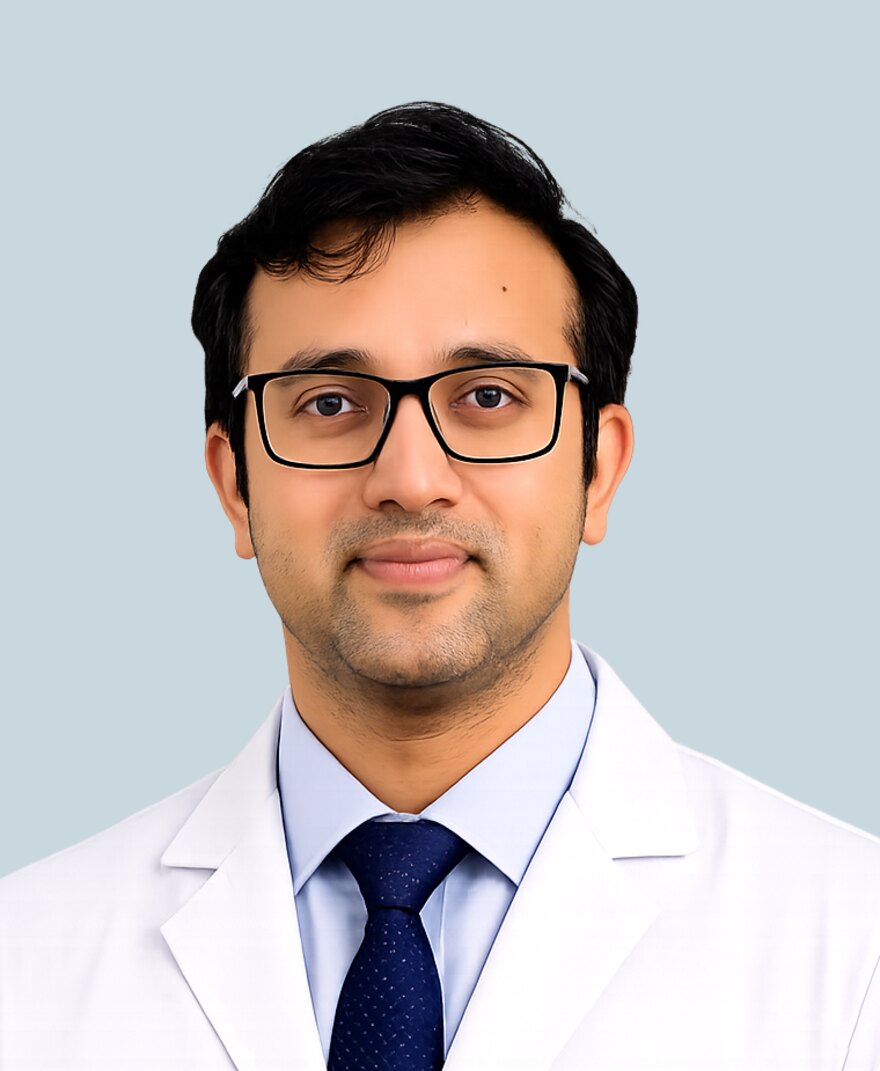
Prepared and medically reviewed by
Dr. Allwin George
MBBS, MD (Radiation Oncology), DM (Medical Oncology)
Consultant Medical and Haemato-Oncologist
Meet Dr. Allwin GeorgeChemotherapy-day preparation
It may take from a few minutes to most of a day, depending on the medicines, premedications, hydration, observation and blood-test review. The first cycle may take longer because education, consent and safety checks are completed.
Related questions
The medicines themselves usually do not cause pain while entering the vein, apart from the needle insertion. Burning, stinging, swelling, leakage or increasing pain at the cannula or port must be reported immediately because some medicines can damage tissue if they escape from the vein.
Related questions
Most patients should have a light, familiar meal unless instructed to fast for a procedure. Avoid arriving dehydrated or after prolonged fasting. If nausea is expected, small meals and prescribed anti-nausea medicines may help.
Related questions
Do not drive if you receive sedating antihistamines, pain medicines or anti-nausea medicines, or if you feel weak, dizzy or unwell. Arrange transport for the first cycle; later driving decisions should follow the regimen-specific advice of your treatment unit.
Related questions
Some oral medicines, injections and portable infusion-pump treatments can be used at home under a formal oncology programme. Intravenous chemotherapy should not be improvised at home; safe delivery requires trained staff, correct storage, emergency medicines and a clear escalation plan.
Related questions
A short medically directed delay is sometimes necessary for infection, low blood counts, organ dysfunction or recovery from toxicity. The effect depends on the cancer and treatment goal, so never postpone or advance a cycle without the oncology team.
Related questions
Bring identification, appointment and insurance papers, current medicines, recent reports, the oncology contact card, water and a light snack if permitted, and something to pass the time. Wear comfortable clothing that allows access to the arm or port.
Related questions
This depends on space, infection-control rules and the patient’s needs. Many units allow one attendant for education or support but may restrict access during drug preparation or crowded periods.
Related questions
Costs, insurance and financial assistance
Cost depends on cancer type and stage, treatment goal, drug brand and dose, number of cycles, tests, hospital setting, complications and supportive care. Ask for an itemised estimate and which expenses are fixed, recurring or uncertain.
Related questions
Quality-assured generics contain the same active ingredient and are intended to provide comparable clinical performance to the reference medicine. Use products from regulated, reliable sources and discuss substitution with the oncology team, especially for medicines with narrow safety margins.
Related questions
A biosimilar is a biological medicine shown to be highly similar to an approved originator, without clinically meaningful differences in quality, safety or effectiveness. It is not an identical chemical copy because biologic medicines are made in living systems. Confirm regulatory approval, product identity and pharmacovigilance arrangements.
Related questions
Pre-authorisation is the insurer or scheme’s approval of a proposed admission or treatment package before it begins. Cashless treatment means the approved amount is settled directly with a network hospital; exclusions, co-payments and non-payable items may still apply.
Related questions
Requirements vary, but commonly include identity and policy cards, consultation notes, diagnosis and pathology reports, staging reports, proposed treatment plan, cost estimate and hospital forms. Keep copies of every submission and note the approval reference number.
Related questions
Ask for the reason in writing and compare it with the policy wording. The treating team or hospital insurance desk may clarify medical necessity, correct missing documents or appeal. Do not abandon urgent care while waiting for administrative resolution.
Related questions
Eligible families may receive support through schemes administered by the State Health Agency, including KASP/PM-JAY-linked services and the Karunya Benevolent Fund. Eligibility, packages, empanelled hospitals and documents can change, so verify through the hospital help desk or the current official portal before treatment.
Related questions
Yes, but continuity requires a treatment summary, pathology, scan images, drug names and doses, cycle dates, toxicities, transfusion history, allergies and the reason for transfer. The receiving oncologist should confirm the next step before medicines are administered.
Related questions
Request it from the treating hospital or oncologist. It should state the diagnosis and stage, pathology and biomarkers, operations, radiotherapy details, systemic-treatment regimens and dates, response, major complications, current medicines and follow-up plan.
Related questions
Consider travel, accommodation, food, loss of wages, childcare, home support, dressings, devices, laboratory tests, transfusions and treatment of complications. Early discussion with a social worker or financial counsellor can prevent avoidable interruptions.
Related questions
Ports, PICC lines, stomas and tubes
A port is a small reservoir placed completely under the skin and accessed with a special needle. A PICC enters through an arm vein and has an external segment. Choice depends on treatment duration, medicines, vein access, infection risk, lifestyle and local expertise.
Related questions
Keep the dressing clean, dry and intact; attend scheduled flushing and dressing changes; and avoid pulling or manipulating the line. Follow the device-specific instructions from the treatment unit rather than using unapproved antiseptics or home remedies.
Related questions
Report fever, chills during flushing, redness, warmth, discharge, increasing pain, swelling of the arm, neck or face, difficulty flushing, a leaking or displaced line, or new breathlessness. Do not push against resistance or attempt to reposition the catheter.
Related questions
A healed implanted port usually permits normal bathing and many activities when it is not accessed. A PICC or accessed port must be protected from water and traction. Avoid heavy or repetitive activity until the line team confirms what is safe.
Related questions
A stoma is a surgically created opening that allows stool or urine to leave the body into a bag. It may be temporary or permanent. A stoma nurse can teach pouch fitting, skin care, diet, supplies and management of leakage.
Related questions
Seek advice for a dark, pale or rapidly swollen stoma; persistent bleeding; severe pain; repeated vomiting; no output with abdominal swelling; very high watery output; deep skin damage; or inability to keep the pouch attached.
Related questions
Use the prescribed feed, water-flush schedule, position and cleaning method. Keep the tube secured and the surrounding skin clean and dry. Report blockage, leakage, bleeding, increasing pain, fever, breathing difficulty or accidental displacement.
Related questions
Keep the drainage bag below bladder or kidney level, prevent kinks and traction, and follow instructions for cleaning and bag changes. Fever, flank pain, blood clots, reduced or absent drainage, leakage or a displaced tube needs prompt assessment.
Related questions
Rehabilitation and functional recovery
Cancer rehabilitation helps a person maintain or regain strength, movement, speech, swallowing, cognition, independence and participation in work or family life. It may involve physiotherapy, occupational therapy, speech and swallowing therapy, nutrition, pain care and psychosocial support.
Related questions
Assessment can begin before treatment and continue during and after it. Early support is particularly helpful after major surgery, limb or nerve injury, brain treatment, prolonged hospitalisation, stem-cell transplant or significant weight and muscle loss.
Related questions
Persistent limb or regional swelling should be assessed to exclude infection, clot or recurrence. Management may include skin care, exercise, compression, specialised massage and weight management under a trained lymphoedema professional. Sudden red, hot or painful swelling with fever needs urgent review.
Related questions
Progressive, supervised exercise is generally safe and can improve strength and function. Begin gradually, use correct technique and monitor symptoms; compression advice should be individualised.
Related questions
Numbness, tingling, burning pain or balance difficulty may improve after treatment, but recovery can be slow and incomplete. Report symptoms early because dose adjustment may prevent worsening. Foot care, fall prevention, physiotherapy and selected medicines can help.
Related questions
Head-and-neck surgery, radiotherapy and neurological tumours can affect speech and swallowing. Early assessment by a speech and swallowing therapist can provide exercises, food-texture advice and strategies to reduce aspiration and maintain communication.
Related questions
Some patients notice reduced attention, memory or mental speed during or after treatment. Sleep problems, anxiety, depression, anaemia, medicines, menopause and other illnesses may contribute. Persistent or worsening symptoms deserve assessment; planning aids, pacing, exercise and cognitive rehabilitation may help.
Related questions
Return should be based on physical function, concentration, medicine effects, infection risk and the demands of the activity. A graded plan, temporary duty modification and rehabilitation review may be safer than an abrupt return.
Related questions
Older adults, young adults and children
No. Fitness, organ function, cognition, nutrition, mobility, medicines, social support and the person’s goals are often more informative than chronological age. Treatment may be standard, modified or supportive depending on expected benefit and risk.
Related questions
It is a structured review of physical function, falls, cognition, mood, nutrition, other illnesses, medicines and support. It can reveal vulnerabilities not obvious in a routine visit and guide safer treatment and supportive interventions.
Related questions
Multiple medicines increase the risk of interactions, dizziness, kidney injury, bleeding and confusion. Bring every prescription, non-prescription medicine and supplement so unnecessary or risky combinations can be addressed.
Related questions
AYA oncology addresses cancers occurring from adolescence through young adulthood and the distinctive needs of this life stage. Fertility, education, employment, relationships, body image, mental health, genetics and access to age-appropriate trials require early attention.
Related questions
Yes, before treatment whenever possible. Even when treatment is urgent, rapid referral may allow sperm, egg, embryo, ovarian tissue or other preservation options, depending on age, cancer type and local availability.
Related questions
Usually not. Childhood cancers often have different biology, treatment protocols, drug doses and supportive-care needs. Children should be managed by a paediatric oncology team whenever possible.
Related questions
Persistent unexplained fever, pallor, bruising, bone pain, enlarging lumps, morning headache with vomiting, neurological change, abdominal swelling, weight loss or loss of developmental abilities should be evaluated. These symptoms are more commonly caused by non-cancer conditions, but persistence matters.
Related questions
Use honest, age-appropriate language; explain what the child will see and feel; offer limited choices; and involve play, school and psychological support. Avoid promising that a procedure will not hurt when discomfort is possible.
Related questions
Many do because effects on growth, fertility, heart, hormones, bones, hearing, learning or second-cancer risk can emerge years later. Follow-up should be based on the exact treatment exposures and include a survivorship summary.
Related questions
Patient rights, consent, records and teleconsultation
The patient should receive understandable information about the diagnosis, proposed treatment, expected benefits, important risks, alternatives and consequences of declining. Consent is a continuing conversation, not merely a signature.
Related questions
A person with decision-making capacity may refuse a proposed treatment after receiving adequate information. The team should explore concerns, explain likely consequences, document the discussion and continue appropriate symptom and supportive care.
Related questions
The capable adult patient makes their own decisions and controls who receives information. A legally appropriate surrogate may be needed when the patient lacks capacity. Prior wishes and the patient’s values should guide decisions.
Related questions
Patients should be able to request relevant reports, prescriptions, discharge summaries and treatment information according to applicable law and hospital policy. Ask how to obtain copies, expected processing time and any permitted charges.
Related questions
Health information should be shared only for care, authorised administration or other legally permitted purposes. Tell the team whom they may update, use secure channels for reports and avoid posting identifiable records in public groups.
Related questions
Ask permission before recording. A recording may help recall complex information but can include private details about the patient or others. Written notes or an approved visit summary may be a suitable alternative.
Related questions
Teleconsultation is useful for reviewing reports, counselling, selected follow-up and minor side-effect questions. It cannot reliably replace physical examination, vital signs, emergency assessment, procedures or situations where diagnosis and severity are uncertain.
Related questions
Use urgent in-person assessment for red-flag symptoms, rapid deterioration, suspected infection, breathing difficulty, neurological change, uncontrolled pain or bleeding, dehydration and device complications. Messaging is not an emergency service and a delayed reply must not delay care.
Related questions
Myths, complementary therapies and online information
Emotional support and hope can improve coping and quality of life, but they do not replace effective treatment. Cancer progression is not a personal failure or evidence that the patient was insufficiently positive.
Related questions
All body cells use glucose, and completely removing carbohydrate does not selectively starve a tumour. Nutrition should focus on adequate energy, protein and overall dietary quality while considering diabetes, weight and treatment symptoms.
Related questions
No special diet has been proven to cure cancer. Restrictive diets may cause weight and muscle loss or complicate treatment. Anyone considering dietary restriction should first discuss it with the oncology team and a qualified dietitian.
Related questions
No. Natural products can cause liver or kidney injury, bleeding, contamination or interactions that increase toxicity or reduce treatment effect. Give the oncology team the exact product name, ingredients, dose and manufacturer.
Related questions
Some practices may be used for comfort when they are safe and do not replace or interfere with evidence-based cancer care. Products and procedures should be disclosed to the oncology team; claims of guaranteed cure or advice to stop treatment are major warning signs.
Related questions
High-dose antioxidant supplements may interact with treatment, and evidence varies by product and regimen. Do not start them routinely without checking with the treating oncologist or oncology pharmacist; ordinary foods are different from concentrated supplements.
Related questions
Check whether the source is a recognised cancer centre, government agency, professional society or peer-reviewed publication; whether evidence and dates are provided; and whether risks and uncertainty are acknowledged. Be cautious of testimonials, secret cures, conspiracy claims, urgent payment requests and products sold by the person making the claim.
Related questions
Save the link or screenshot and discuss the exact claim with the oncology team. Do not stop, delay, reduce or combine treatment on your own; even accurate general information may not apply to the patient’s cancer, biomarkers or health.
Related questions
Need an individual medical opinion?
Cancer diagnosis and treatment decisions must be based on the complete medical history, examination, pathology and imaging findings.
For appointment enquiries only. WhatsApp is not an emergency service.
Medical disclaimer
This information is intended for general patient education and does not replace consultation with a qualified healthcare professional. Diagnosis, treatment and supportive care must be individualised according to the cancer type, stage, overall health and treatment plan.
Book an oncology consultationMedically reviewed by
Dr. Allwin GeorgeMBBS, MD (Radiation Oncology), DM (Medical Oncology)
Consultant Medical and Haemato-Oncologist
Last medically reviewed: 23 August 2026