Cancer Information
Diet, Daily Life and Wellbeing
Nutrition, food safety, activity, work and travel, sleep, sexual health, fertility, pregnancy and emotional wellbeing.
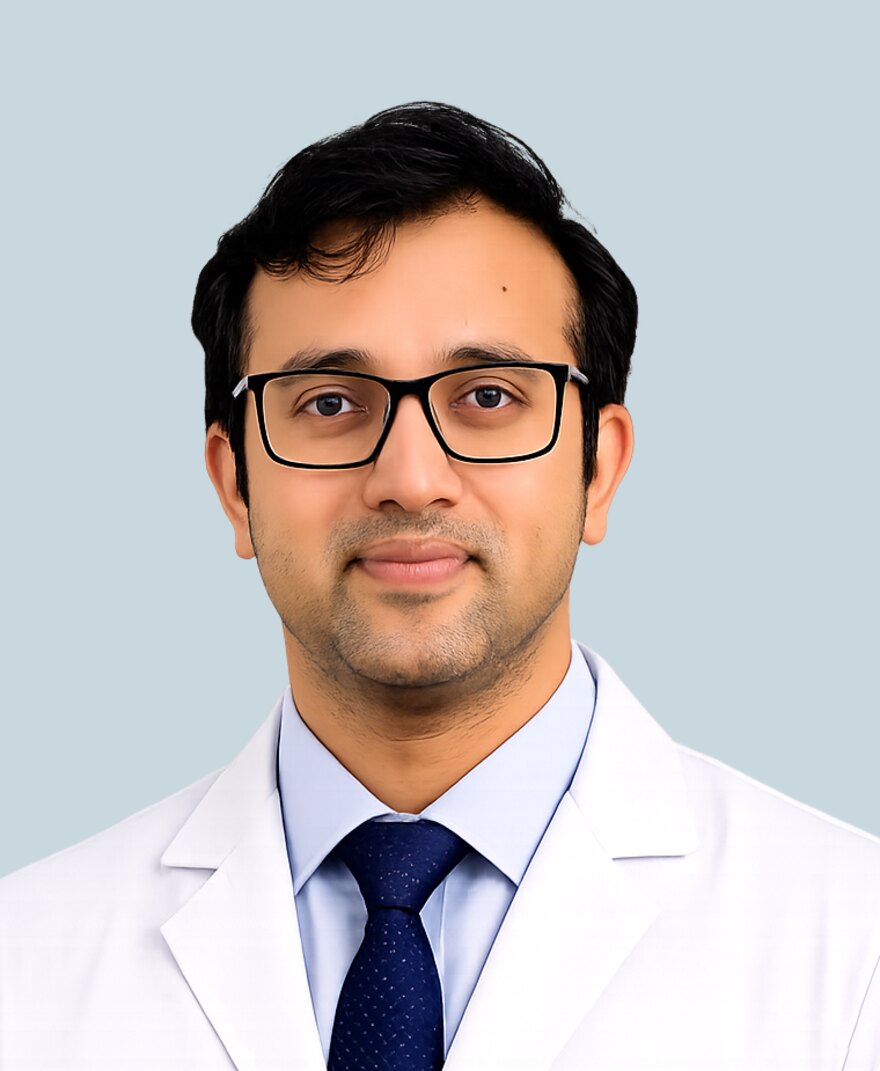
Prepared and medically reviewed by
Dr. Allwin George
MBBS, MD (Radiation Oncology), DM (Medical Oncology)
Consultant Medical and Haemato-Oncologist
Meet Dr. Allwin GeorgeDiet and nutrition
There is no single diet for every patient. The aim is to obtain enough calories, protein, fluids, vitamins and minerals safely. The plan may need to change with side effects, weight loss, diabetes, kidney or liver disease, or surgery. Avoid restrictive diets that claim to replace cancer treatment.
Related questions
Protein supports muscle, wound healing and recovery. Sources include eggs, fish, poultry, milk, curd, paneer, pulses, beans, soy and nuts. If appetite is poor, include a protein source in each small meal. Patients with kidney disease or a metabolic disorder should follow an individual plan.
Related questions
All cells use glucose, and there is no evidence that eliminating sugar alone cures cancer or stops it growing. However, excessive sugary drinks, sweets and ultra-processed foods can displace nutritious food and impair weight or glucose control. Patients with diabetes should follow their glucose-management plan. Do not create harmful weight loss by unnecessarily restricting calories.
Related questions
Usually, yes. Wash them thoroughly under clean running water, remove damaged areas and keep knives and cutting boards clean. Patients with profound neutropenia, a stem-cell transplant or specific institutional restrictions may receive additional advice. Avoid raw sprouts, unpasteurised products and undercooked food because of infection risk.
Related questions
Properly cooked eggs, fish, poultry and meat can provide useful protein. Avoid raw or undercooked eggs, meat and seafood, and leftovers stored for too long. Vegetarian patients can use pulses, dairy, soy and nuts. Diet preference alone does not determine how well cancer treatment works.
Related questions
Wash hands before preparing or eating food. Keep raw and cooked foods separate, cook food thoroughly, refrigerate promptly and discard expired or doubtful food. Avoid buffets, roadside food, unpasteurised milk or juice, raw sprouts and raw seafood. Safe handling is more important than banning every fresh food; follow your centre's policy.
Related questions
Try five or six small meals instead of three large ones. Add energy and protein with curd, eggs, paneer, nut paste, milk powder or a prescribed supplement. Drink most fluids between meals if drinking with food causes early fullness. Seek dietitian review for rapid weight loss or inability to eat adequately.
Related questions
Fluid needs vary with body size, weather, fever, vomiting, diarrhoea, kidney or heart function and treatment. Pale-yellow urine is a useful guide for many patients, but not for those on fluid restriction. Water, soup, buttermilk and oral rehydration solution may help. Dark or very little urine, dizziness and a dry mouth suggest dehydration.
Related questions
Do not begin them without discussing them with the oncology team. High-dose antioxidants, herbal or Ayurvedic products and concentrated extracts may affect drug metabolism, bleeding, liver or kidney function, radiotherapy or chemotherapy. A proven deficiency can be treated with the correct supplement and dose. Bring the exact product name, label and dose to appointments.
Related questions
Small portions of bland foods such as dry toast, crackers, rice, idli, banana or curd rice may be easier to tolerate. Avoid strong smells, oily or spicy food and large meals. Take prescribed anti-nausea medicine on time. Inability to keep fluids down is a medical problem, not merely a diet issue.
Related questions
During diarrhoea, fluids, oral rehydration solution and temporarily lower-fibre bland foods may help; lactose may worsen symptoms in some people. For constipation, increase fluids, fibre, fruit and activity only if obstruction has been excluded and the team agrees. Patients on opioids often require a laxative. Severe pain, swelling, vomiting or blood requires medical assessment.
Related questions
Soft, moist or mashed foods and thickened liquids may be recommended by a dietitian or swallowing therapist. Coughing or choking while eating, food sticking, recurrent chest infection, inability to swallow medicine or severe throat pain should be reported. Inability to keep food or fluid down for 24 hours requires urgent assessment.
Related questions
Daily activities and safety
For most patients, individualised moderate activity is safe and may improve fatigue, mood, sleep and strength. Begin with short walks, stretching or light resistance work. Fever, severe anaemia, uncontrolled pain, dizziness, unstable bone metastases or recent surgery require a modified plan. Avoid a "no pain, no gain" approach and seek advice from the oncology team or physiotherapist.
Start with five to ten minutes of walking at an intensity that still allows conversation, then increase gradually as tolerated. Reduce intensity on treatment days or when symptoms are worse. Marked exhaustion, pain or dizziness the following day suggests that the activity was excessive. Patients at risk of falls should not exercise alone.
Related questions
This depends on treatment, symptoms, infection exposure, physical workload and scheduling. Flexible hours, working from home, rest breaks or a temporary reduction in duties may help. You decide how much medical information to share at work. Fever, severe fatigue or uncontrolled symptoms should take priority over work.
Related questions
Sedating anti-allergy medicines, opioids, anti-nausea drugs, anaesthesia, dizziness, neuropathy and visual changes can make driving unsafe. Arrange transport for early infusions or when starting a new medicine. Ask for regimen-specific instructions. Do not drive if sleepy, dizzy or unable to concentrate.
Related questions
Travel may be possible when the condition is stable, but timing should consider the blood-count nadir, treatment schedule, infection risk and clot risk. Carry medicines, prescriptions, a treatment summary, emergency contacts, insurance information and details of a nearby hospital. Long journeys may require hydration and regular movement. Postpone travel when fever or an acute symptom is present.
Related questions
Light housework can provide activity, but avoid heavy lifting, falls and sharp injuries. Soil, compost and animal waste may increase infection risk during neutropenia; use gloves, wash hands or ask someone else to do the task. Pets usually do not need to be removed from the home, but avoid bites, scratches, litter handling and sick animals.
Some chemotherapy, targeted therapy, immunotherapy and radiotherapy increase photosensitivity. Choose cooler times of day and use protective clothing, a hat and an approved broad-spectrum sunscreen. Protect a radiotherapy area from direct sunlight. Report severe sunburn or blistering.
Related questions
Some inactivated vaccines can be given, although the immune response may be reduced. Live vaccines may be dangerous during immunosuppression. Ask the oncology team about the appropriate vaccine and timing, including vaccines for close family members. Do not take a non-urgent vaccine without informing the team.
Related questions
Dental assessment before treatment is particularly useful before head-and-neck radiotherapy, stem-cell transplant or bone-modifying medicines. Extractions and invasive procedures during treatment must consider blood counts, infection and bleeding risk. Tell the dentist about the cancer, medicines, port, anticoagulants and bisphosphonate or denosumab use. Report dental swelling, fever or mouth pain promptly.
Related questions
Cancer is not contagious, and normal social contact is usually safe. When immunity is low, avoid close contact with people who have fever, cough, diarrhoea or another contagious illness, and practise hand hygiene. Complete isolation is rarely necessary and emotional support is valuable. Follow stricter precautions provided by a transplant or haematology team.
Related questions
Fertility, pregnancy and sexual health
Some chemotherapy, pelvic radiotherapy, reproductive-organ surgery, hormonal treatment and stem-cell transplantation can affect sperm, eggs, ovaries, testes, the uterus or reproductive hormones. Risk depends on the treatment, cumulative dose, age and baseline fertility. Infertility may be temporary or permanent. Discuss future parenthood before treatment begins.
Related questions
Ideally, before cancer treatment starts. An urgent fertility referral can often be organised without an unnecessary delay. Options depend on how quickly treatment is needed, cancer type, age and personal circumstances. The discussion is relevant even when the patient is not married or currently planning children.
Related questions
Sperm banking is the most established option, sometimes using more than one sample. Surgical sperm retrieval may be considered in selected cases when a sample cannot be produced. Recovery of sperm production after treatment may take time, and semen analysis should be performed when advised. Being unable to bank sperm does not prove that fertility will certainly be lost.
Related questions
Embryo freezing and egg freezing are established options. Ovarian-tissue cryopreservation or other methods may be considered in selected cases. Ovarian suppression may help preserve ovarian function in some situations but is not a substitute for established freezing methods. The oncology and fertility teams should consider age, timing, cancer type and hormone sensitivity together.
Related questions
Cancer control may need to take priority. A rapid consultation can still document expected risk and discuss future options such as donor eggs or sperm, adoption or other family-building routes. Emotional support is important when decisions must be made under pressure. The conversation should not be omitted simply because time is short.
Related questions
Yes. Many anticancer medicines can harm an embryo or fetus. Reduced fertility does not mean pregnancy is impossible. The safest contraceptive method depends on cancer type, clot risk, hormone sensitivity and treatment. Follow drug-specific written advice about how long contraception should continue after treatment.
Related questions
Contact the oncology and obstetric teams immediately without stopping medication on your own. Management requires multidisciplinary assessment of the cancer, stage of pregnancy and treatment exposure. Not every treatment carries the same risk at every stage of pregnancy. Decisions about emergency contraception or termination also require specialist guidance.
Related questions
There is no universal waiting period. Timing depends on cancer type, recurrence pattern, treatment, recovery of ovarian or testicular function, age and any continuing hormonal therapy. Some medicines require a specific washout period. Plan with the oncologist and fertility or obstetric specialist, and do not stop treatment independently.
Related questions
Chemotherapy, many targeted or immunotherapy medicines and some radioactive treatments can pass into breast milk or harm the baby, so breastfeeding is usually avoided during treatment. A waiting period may be required after the final dose. Feasibility after surgery or radiotherapy is individual. Ask the oncology team and paediatrician.
Related questions
Fatigue, pain, anxiety, hormonal changes, surgery, radiotherapy and medicines can affect desire, erections, ejaculation, vaginal dryness and pain. These are not personal failures, and treatable causes may be present. Lubricants, moisturisers, pelvic-floor care, medication or counselling may help. Discuss contraception, bleeding or infection risk and hormone-sensitive cancer with the team.
Related questions
Emotional and psychological health
Yes. Diagnosis, uncertainty, body changes, financial stress and family responsibilities can produce many emotions. Confidence one day and fear the next is not unusual. You do not need to hide these feelings; speak with the oncology team, a counsellor or a trusted person.
Related questions
Seek help when anxiety dominates most of the day, interferes with sleep, eating or appointments, causes panic attacks, or makes it difficult to understand medical information. Breathing exercises, structured information, counselling and sometimes medication may help. Do not assume that sudden breathlessness or chest pain is anxiety until medical causes have been excluded.
Related questions
Persistent sadness, loss of interest, hopelessness, guilt, altered sleep or appetite, and poor concentration for two weeks or longer may indicate depression. Symptoms can overlap with cancer-related fatigue, so professional assessment is useful. Depression is treatable with counselling, social support and medication when appropriate. Thoughts of self-harm require urgent help.
Related questions
Ask when and how the result will be given and consider bringing a trusted person to the appointment. Limit uncontrolled internet searching and use brief breathing exercises, routine activity or absorbing tasks. Uncertainty cannot be removed completely, but a clear plan can make it more manageable. Seek counselling if anxiety prevents normal functioning.
Related questions
Fear of recurrence is common, especially around follow-up visits, anniversaries and new symptoms. Keep a written follow-up plan, know the warning symptoms and know whom to contact. Most minor body sensations are not recurrence, but persistent new symptoms deserve assessment. Psycho-oncology support can help when fear begins to control daily life.
Related questions
Maintain regular sleep and waking times, obtain daytime light and activity, reduce late caffeine and limit screens before bed. Pain, hot flushes, steroids, anxiety, sleep apnoea and nocturia may need treatment. Do not start sleeping tablets without advice because they can interact with other medicines. Several nights without sleep, confusion or severe distress requires prompt review.
Related questions
Use simple, honest, age-appropriate language. Explain that cancer is not contagious, it is not the child's fault, and who will care for them during treatment. Children may ask the same questions repeatedly, and maintaining routine can help them feel safe. A school counsellor, psychologist or social worker may assist.
Related questions
Warning signs include exhaustion, irritability, sleep loss, neglect of personal health and a sense of helplessness. Share tasks, use appointment and medication lists, accept respite and attend to the caregiver's own health. One person should not carry every responsibility. Severe caregiver strain can also affect patient care.
Related questions
Hair loss, scars, an ostomy, mastectomy, weight change, limb loss or sexual changes may affect confidence. Prostheses, reconstruction, stoma care, physiotherapy, cosmetic support and counselling may help. Gradual communication with a partner is useful. Telling someone that they "should just be grateful to be alive" can dismiss genuine distress.
Related questions
Shared experience helps some people, while others prefer individual counselling or family support. Choose groups linked to a trustworthy hospital or organisation and be cautious of miracle cures, supplement sales or treatment instructions. Another person's treatment should not be copied. It is reasonable to leave a group that increases distress.
Related questions
This is an emergency. Do not remain alone; tell a trusted person immediately and go to the nearest emergency department or contact local emergency services. Ask someone to help remove access to dangerous medicines, weapons or pesticides. Inform the oncology team and a mental-health professional urgently. These thoughts can be a sign of severe but treatable distress.
Related questions
Need an individual medical opinion?
Cancer diagnosis and treatment decisions must be based on the complete medical history, examination, pathology and imaging findings.
For appointment enquiries only. WhatsApp is not an emergency service.
Medical disclaimer
This information is intended for general patient education and does not replace consultation with a qualified healthcare professional. Diagnosis, treatment and supportive care must be individualised according to the cancer type, stage, overall health and treatment plan.
Book an oncology consultationMedically reviewed by
Dr. Allwin GeorgeMBBS, MD (Radiation Oncology), DM (Medical Oncology)
Consultant Medical and Haemato-Oncologist
Last medically reviewed: 23 August 2026