Cancer Information
Understanding Cancer Treatment
Chemotherapy, immunotherapy, targeted and hormonal therapy, radiotherapy, surgery, biomarkers, clinical trials and oral anticancer medicines.
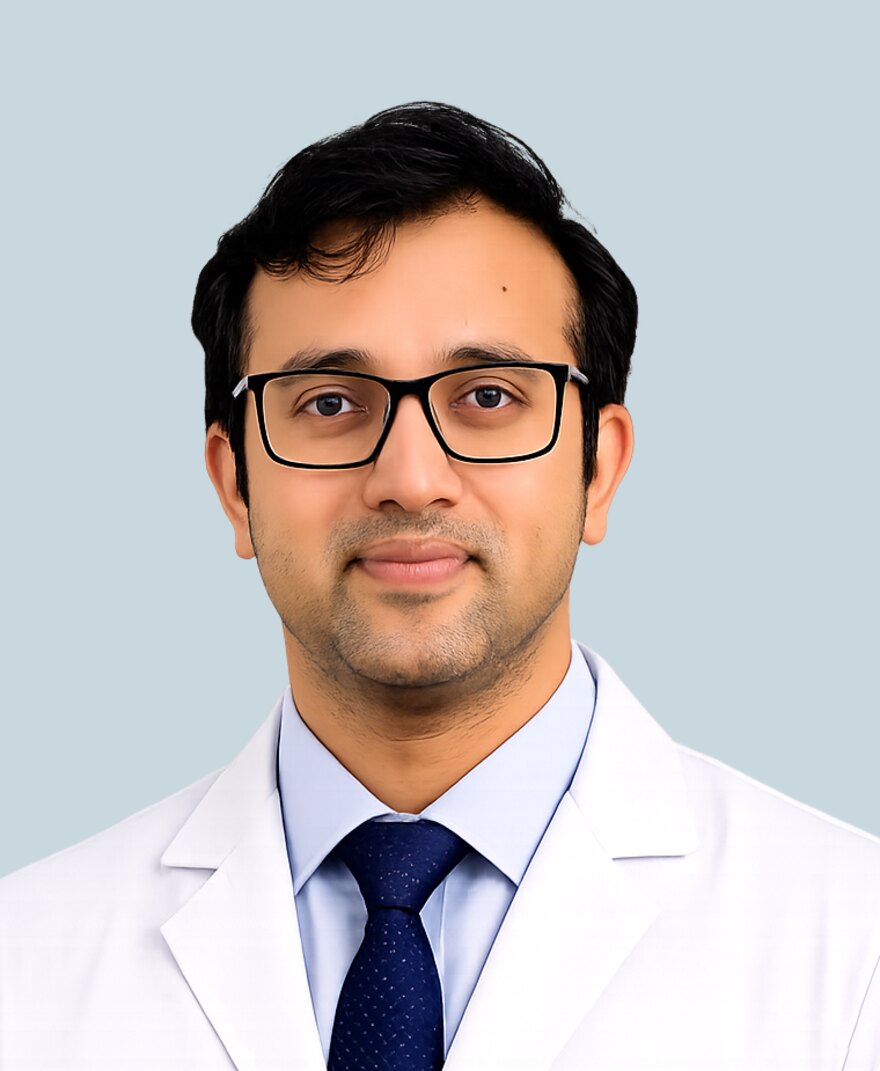
Prepared and medically reviewed by
Dr. Allwin George
MBBS, MD (Radiation Oncology), DM (Medical Oncology)
Consultant Medical and Haemato-Oncologist
Meet Dr. Allwin GeorgeUnderstanding cancer treatment
Treatment may include surgery, radiotherapy, chemotherapy, hormonal therapy, targeted therapy, immunotherapy, cellular therapy or stem-cell transplantation. Supportive and palliative care are important throughout treatment. Many patients need a combination given in sequence. The choice depends on the cancer rather than on one treatment being universally stronger or better.
Related questions
Curative treatment is given with a realistic aim of eliminating the cancer permanently. It may involve intensive therapy and can still carry a risk of recurrence. Cure cannot always be guaranteed at the start, so doctors discuss probabilities based on available evidence. Follow-up remains important after treatment is completed.
Related questions
Palliative anticancer treatment aims to control cancer, relieve symptoms, maintain function and often prolong life when cure is not expected. It is active treatment, not abandonment of care. Palliative care specialists can also address pain, breathlessness, nutrition, sleep, emotional distress and family support alongside chemotherapy or other cancer therapy. The balance of benefit and burden should be reviewed regularly.
Related questions
Neoadjuvant treatment is given before the main local treatment, often to shrink a tumour, improve operability or assess response. Adjuvant treatment is given after surgery or another definitive local treatment to reduce the risk of recurrence from microscopic disease. Neither term indicates that cancer has necessarily spread. The exact benefit varies according to pathology and risk factors.
Related questions
Response is assessed using symptoms, examination, blood tests, selected tumour markers and imaging at planned intervals. For some blood cancers, marrow examination or measurable residual disease testing is used. Early scans can occasionally be misleading, particularly with immunotherapy. Results are interpreted against baseline findings and the treatment goal before deciding whether to continue or change therapy.
Related questions
Remission means signs of cancer have reduced substantially or disappeared, but it does not always equal cure. Stable disease means the cancer has neither grown enough to be called progression nor shrunk enough to meet response criteria; stability can be a successful outcome in advanced cancer. Progression means the cancer has grown or new disease has appeared according to defined criteria. Clinical wellbeing is considered alongside scan measurements.
Related questions
Chemotherapy
Chemotherapy uses medicines that damage or disrupt rapidly dividing cancer cells. It may be given to cure cancer, reduce recurrence risk, shrink disease before local treatment or control advanced cancer. Because some normal cells also divide rapidly, side effects can occur, but supportive medicines and dose adjustments reduce many problems. Different chemotherapy regimens have very different effects.
Related questions
No. Some cancers are cured with surgery or radiotherapy alone, while others respond better to hormonal, targeted or immune-based treatment. Chemotherapy is recommended when evidence suggests its expected benefit outweighs its risks. Genomic or biomarker tests sometimes help estimate benefit. Patients should understand the treatment goal and the approximate improvement expected for their situation.
Related questions
Chemotherapy may be given through a vein, injection, tablet, capsule or occasionally into a specific body cavity or the spinal fluid. Treatment is commonly organised into cycles, with treatment days followed by recovery time. The schedule depends on the medicines and diagnosis. Oral chemotherapy requires the same care as intravenous treatment and should never be shared, crushed or dose-adjusted without instruction.
Related questions
No. Hair loss depends on the drug, dose and schedule. Some regimens cause complete loss, others thinning, and many cause little change. Hair usually begins to regrow after treatment, although colour or texture may temporarily differ. Ask before treatment so you can plan; scalp cooling may reduce hair loss with selected regimens but is not suitable or available in every situation.
Related questions
Blood counts check whether white cells, haemoglobin and platelets are adequate, while kidney and liver tests assess how the body can process treatment. Abnormal results may require delay, dose adjustment, supportive medication, transfusion or further evaluation. A short medically advised delay does not automatically reduce treatment effectiveness. Never conceal fever or new symptoms simply to avoid postponement.
Related questions
The team assesses the severity, cause, symptoms and expected recovery. Treatment may proceed, be delayed or be dose-adjusted; growth-factor support or transfusion is used in selected situations. Fever with a low neutrophil count can become life-threatening and needs urgent assessment. Active bleeding, black stool, severe headache or new neurological symptoms with thrombocytopenia also require urgent care.
Related questions
A temperature of 38.0 C or higher during chemotherapy requires urgent medical assessment, particularly within the weeks after treatment. Contact the oncology team or go to an emergency department; do not wait for morning or rely only on paracetamol. Tell staff immediately that you are receiving chemotherapy and bring your records. Chills, confusion, breathing difficulty, dizziness or reduced urine output require emergency care even without a measured fever.
Related questions
These devices provide reliable venous access for repeated treatment, blood sampling and some supportive medicines. A port sits under the skin and is accessed when needed; a PICC exits through the arm and requires regular dressing. They reduce repeated needle attempts but can develop infection, blockage or thrombosis. Report redness, discharge, swelling of the arm or neck, fever, pain or difficulty flushing the line.
Related questions
Targeted therapy, immunotherapy and hormonal therapy
Targeted therapy acts on particular proteins or pathways that help cancer cells grow. Eligibility often depends on a biomarker in the tumour or blood. It may be given as tablets or infusions and can be highly effective in selected cancers, but it can also affect normal tissues and cause significant side effects. 'Targeted' does not mean side-effect free or guaranteed to work.
Related questions
Immunotherapy helps the immune system recognise or attack cancer. Checkpoint inhibitors are the best-known type, but other immune treatments include antibodies and cellular therapies. Only some cancers and patients benefit, guided by cancer type, stage and biomarkers. Immune-related inflammation can affect almost any organ and may begin during treatment or after it has stopped.
Related questions
Report new or worsening diarrhoea, abdominal pain, breathlessness, cough, chest pain, severe rash, jaundice, marked fatigue, persistent headache, visual change, weakness, confusion or reduced urine output promptly. These may have ordinary causes but can represent immune-related toxicity that worsens without treatment. Do not self-treat prolonged diarrhoea or breathlessness. Tell every treating clinician that you have received immunotherapy, even if the last dose was months ago.
Related questions
Hormonal or endocrine therapy reduces hormone production or blocks hormone signalling that drives certain breast, prostate and other cancers. It may be given for months or years as tablets, injections or surgery. Side effects can include hot flushes, sexual symptoms, mood change, bone loss and metabolic or cardiovascular effects depending on the drug. Regular adherence matters, and troublesome effects should be discussed rather than stopping treatment independently.
Related questions
Follow the written instructions for that specific medicine. In many cases, a forgotten dose should be skipped rather than doubled, but rules vary by drug and timing. Contact the oncology team or oncology pharmacist if uncertain. Keep a medication diary and inform the team about vomiting, difficulty swallowing or repeated missed doses.
Related questions
Yes. Herbal, Ayurvedic, traditional and over-the-counter products can alter drug metabolism, increase bleeding, injure the liver or kidney, or reduce treatment effectiveness. 'Natural' does not mean harmless, and product contents may be inconsistent. Give the oncology team the exact names, labels and doses of everything you take. Do not stop essential prescribed medicines or begin supplements without discussion.
Surgery and radiotherapy
No. Properly performed cancer surgery does not make cancer spread. Surgery is often the best curative treatment for localised solid tumours and may also relieve symptoms or remove limited metastatic disease in selected cases. Surgeons use techniques designed to avoid tumour disruption and achieve appropriate margins. Disease found soon after surgery was usually already present microscopically rather than caused by the operation.
Related questions
Even when all visible tumour has been removed, microscopic cancer cells may remain locally or elsewhere. Adjuvant chemotherapy, hormonal therapy, targeted therapy or radiotherapy can lower recurrence risk in patients whose pathology indicates meaningful benefit. Not everyone needs additional treatment. The recommendation is based on stage, margins, lymph nodes, grade, biomarkers and the person's health.
Related questions
Radiotherapy uses carefully planned high-energy radiation to damage cancer-cell DNA in a defined area. It may cure cancer, reduce recurrence risk, shrink a tumour before surgery or relieve symptoms such as pain or bleeding. Treatment is planned to limit dose to nearby normal organs. Side effects depend mainly on the body area, dose and treatment duration.
Related questions
No. External-beam radiotherapy does not leave radiation in the body, so normal contact with family members and children is safe. Certain internal radiation treatments or radioactive medicines require temporary precautions, which the nuclear medicine or radiation team will explain. Follow the specific written instructions for the treatment received. Do not apply restrictions meant for one radiation technique to all radiotherapy.
Related questions
The radiation itself cannot be felt and each session is usually painless, similar to having an X-ray. Remaining in the treatment position may be uncomfortable, and side effects can develop gradually in the treated area. Report pain, skin reaction, swallowing difficulty or other symptoms so supportive care can be provided. Do not apply unapproved creams or home remedies to the treatment area.
Related questions
Clinical trials, second opinions and treatment information
A clinical trial is a research study involving volunteers that evaluates a treatment, procedure, diagnostic method, prevention strategy or supportive-care approach. Trials follow a written protocol and eligibility criteria. Participation is voluntary and is not a guarantee of benefit.
Related questions
Phase I trials primarily study safety, dose and how a treatment behaves in the body. Phase II trials look for evidence of activity and continue safety assessment. Phase III trials compare a new approach with the current standard in larger groups. Some modern trials combine phases or use adaptive designs.
Related questions
Placebos are rarely used alone when an effective standard treatment exists. A trial may compare standard treatment plus placebo with standard treatment plus the study drug, or use placebo where no proven treatment exists. The consent form must explain placebo use. Ask exactly what each trial group receives.
Related questions
Randomisation assigns participants to trial groups by chance to reduce bias. Neither the patient nor doctor chooses the group in a randomised trial. Some trials are blinded so participants, clinicians or both do not know the assignment during the study. Emergency unblinding procedures exist when needed for safety.
Related questions
It is an ongoing process in which the research team explains the purpose, procedures, alternatives, risks, possible benefits, costs, privacy and participant rights. You should receive information in language you understand and have time to ask questions. Signing does not remove the right to withdraw later.
Related questions
Yes. Participation is voluntary, and you may withdraw at any time without losing the right to appropriate medical care. Tell the study team so treatment can be stopped safely and follow-up arranged. The consent form explains what may happen to information already collected.
Related questions
Trials involve uncertainty and may have unexpected side effects, but protocols undergo scientific and ethics review and include safety monitoring and reporting rules. The research team explains known risks and available alternatives. "Experimental" does not mean risk-free or necessarily better than standard care.
Related questions
Costs may be divided between the study sponsor, hospital, insurer and patient. Research-only tests or the study drug may be covered, while routine care, travel, accommodation or companion expenses may not be. Obtain a written cost explanation before enrolling. Coverage varies by country, insurer and trial.
Related questions
Ask the treating oncologist and major cancer centres, and use recognised registries such as ClinicalTrials.gov or national trial registries. Eligibility depends on diagnosis, stage, biomarkers, previous treatment, organ function and other criteria. Verify recruitment status and site contact details. Be cautious of paid "trials" advertised without ethics oversight.
Related questions
It is particularly useful for a rare cancer, uncertain pathology, major surgery, complex radiation plan, multiple reasonable options, unusual molecular result or decision with major long-term consequences. A second opinion may confirm the original plan. It should be sought promptly when treatment is urgent.
Related questions
It should not. Second opinions are a routine part of complex cancer care. Explain that you want confidence and clarity, and request copies of records. Good communication allows the original and second team to coordinate rather than duplicate care.
Related questions
Include pathology reports and, when requested, slides or blocks; imaging reports and image files; operation notes; treatment summaries; radiotherapy plan details; laboratory and molecular reports; current medicines and a concise timeline. Protect original documents and keep copies. Ask whether pathology review is required before the appointment.
Related questions
Surgery and radiotherapy: practical questions
Dividing the dose into fractions allows normal tissues time to repair while repeatedly damaging cancer cells. The number of sessions depends on cancer type, treatment goal, body area and the evidence for that particular schedule.
Related questions
Side effects mainly occur in the treated area and may include fatigue, skin reaction, hair loss in the field, mouth or swallowing difficulty, cough, bowel symptoms or bladder irritation. Some effects appear during treatment, while others can occur months or years later.
Related questions
External-beam radiotherapy does not make the patient radioactive. Temporary precautions may be needed after some internal radiotherapy or radioactive medicines; the nuclear medicine or radiation team will provide exact distance and time instructions.
Related questions
Preoperative or neoadjuvant treatment may shrink the tumour, treat microscopic disease early, test treatment response or make organ-preserving surgery possible. Surgery then removes the remaining local cancer and provides detailed pathology information.
Related questions
It is removal of a group of lymph nodes to determine whether cancer has spread and sometimes to improve local control. Possible effects include pain, numbness, limited movement, fluid collection and lymphoedema, depending on the region treated.
Related questions
The sentinel node is the first node or group of nodes likely to receive drainage from a tumour. A tracer helps the surgeon locate and remove these nodes; if they are clear, a larger node dissection may sometimes be avoided.
Related questions
Recovery varies from days after a minor procedure to several months after major surgery. Age, nutrition, other illnesses, surgical approach and complications all matter. Ask for milestones for wound care, diet, walking, driving, work and lifting.
Related questions
Seek prompt assessment for breathing difficulty, chest pain, fainting, heavy bleeding, persistent vomiting, severe or worsening pain, abdominal swelling, inability to pass urine, new leg swelling, high fever, or spreading redness or discharge from the wound.
Related questions
Treatment concepts and modern therapies
Systemic therapy travels through the bloodstream and can treat cancer cells in multiple parts of the body. It includes chemotherapy, hormonal therapy, targeted therapy, immunotherapy and some radiopharmaceutical treatments.
Related questions
Surgery and radiotherapy mainly control disease in a particular area, while systemic treatment can address cells elsewhere. Combining treatments can improve cure or control for some cancers, but only when expected benefit outweighs added risk.
Related questions
Plans may change because of response, side effects, new test results, progression, infection, organ-function changes or patient priorities. A change does not necessarily mean an error; ask what new information prompted it and what the revised goal is.
Related questions
Maintenance is continued, often less-intensive treatment after an initial response to delay recurrence or progression. Its duration depends on benefit, toxicity, disease behaviour and the regimen used.
Related questions
Targeted therapy acts on a particular molecular change or protein important to the cancer. Chemotherapy generally affects rapidly dividing cells. Targeted treatment still can affect normal tissues and is useful only when the relevant target or clinical indication is present.
Related questions
No. Benefit varies by cancer type, stage, biomarkers, previous treatment and the person’s health. Even with a favourable biomarker, response is not guaranteed, and some patients need other treatments.
Related questions
Yes. Immune-related inflammation can begin during treatment or weeks to months later and may affect the skin, bowel, liver, lungs, thyroid, pituitary, nerves, heart or other organs. Report new symptoms and tell every treating clinician about previous immunotherapy.
Related questions
Hormone-sensitive cancers can retain a long-term risk of recurrence or growth. Extended endocrine treatment can reduce that risk in selected breast or prostate cancers, but duration is individualised according to benefit, side effects and competing health risks.
Related questions
Oral anticancer medicines
No. They are potent anticancer treatment and require the same attention to dose, interactions, monitoring and side effects as intravenous therapy. Take only the prescribed strength and schedule.
Related questions
Follow the medicine-specific instructions or contact the oncology team. Do not automatically repeat a vomited dose or double the next dose, because absorption and toxicity differ between medicines.
Related questions
Keep them in the original labelled container, away from heat, moisture, sunlight, children and pets. Some require refrigeration or special packaging; follow the pharmacy label and do not place them in a shared pill organiser unless the oncology pharmacist approves.
Related questions
Not unless the oncology pharmacist confirms it is safe. Crushing or opening may alter absorption and expose the patient or caregiver to hazardous drug powder.
Related questions
Patients can usually tip intact tablets directly into the hand or medicine cup. Caregivers should avoid direct contact and may be advised to use disposable gloves, especially for damaged tablets, liquids or excreta; wash hands afterwards and follow the pharmacy’s instructions.
Related questions
Prescription medicines, over-the-counter drugs, antacids, antibiotics, seizure medicines, blood thinners, grapefruit or other foods, vitamins and herbal products may alter treatment levels. Provide a complete list to the oncology pharmacist before starting anything new.
Related questions
Oral treatment can affect blood counts, liver, kidneys, electrolytes, heart rhythm, blood pressure and other organs even when the patient feels well. Monitoring finds problems early and determines whether the dose should continue, pause or change.
Related questions
Do not flush it, place it loose in household waste or give it to another person. Return it through the hospital, pharmacy or an approved hazardous-medicine disposal route according to local instructions.
Related questions
Need an individual medical opinion?
Cancer diagnosis and treatment decisions must be based on the complete medical history, examination, pathology and imaging findings.
For appointment enquiries only. WhatsApp is not an emergency service.
Medical disclaimer
This information is intended for general patient education and does not replace consultation with a qualified healthcare professional. Diagnosis, treatment and supportive care must be individualised according to the cancer type, stage, overall health and treatment plan.
Book an oncology consultationMedically reviewed by
Dr. Allwin GeorgeMBBS, MD (Radiation Oncology), DM (Medical Oncology)
Consultant Medical and Haemato-Oncologist
Last medically reviewed: 23 August 2026